STATE OF THE GENERATION
Youthline had valuable insight sitting quietly inside a research report. I saw an opportunity to make its listening visible and part of the brand.
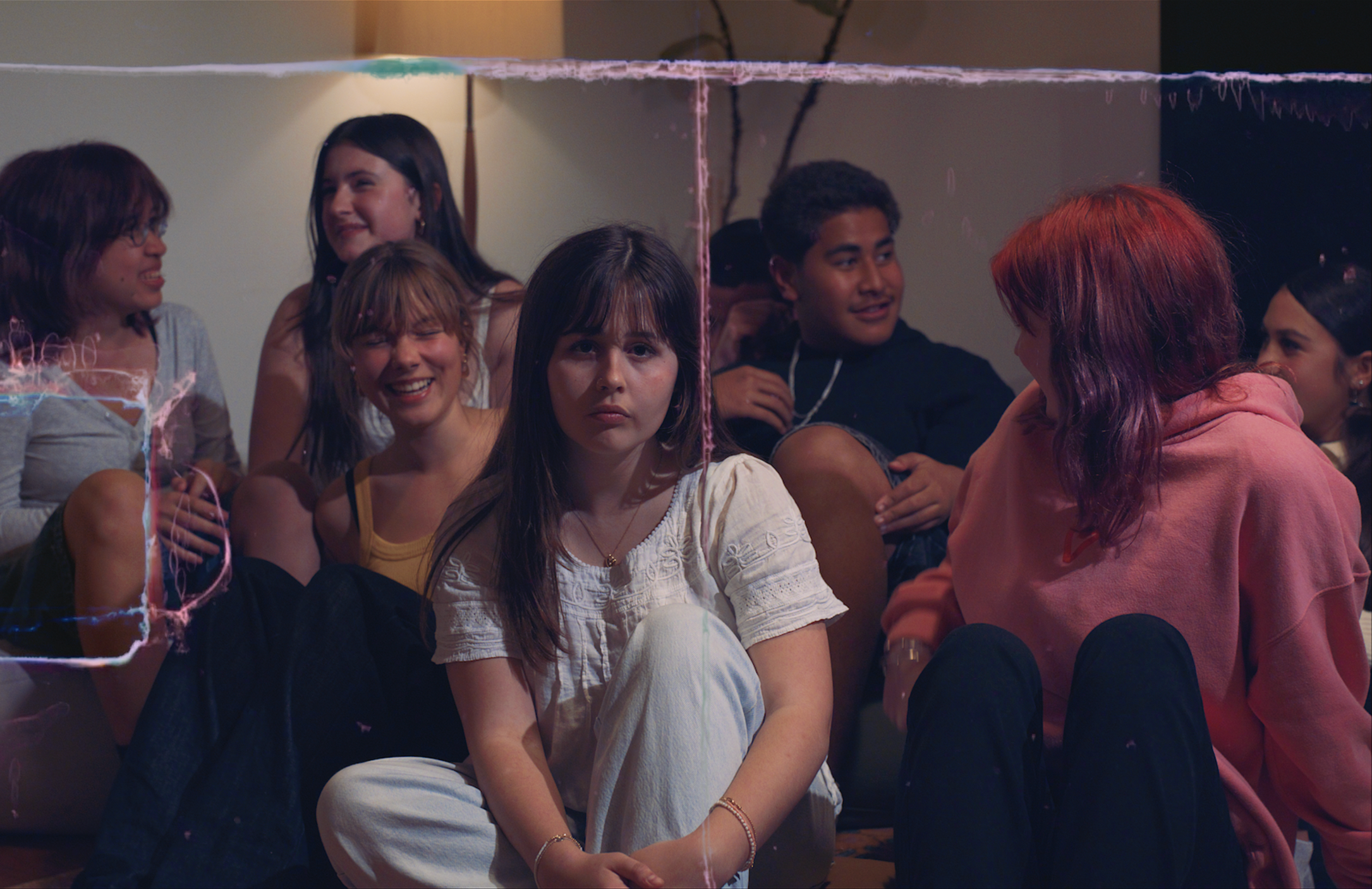
Project NOte
Organisation: Youthline
Role: Creative Director + Brand Strategist
Contribution: Campaign positioning · participation strategy · creative platform · UX · language + visual expression · editing + post-production
Evidence: Thousands of rangatahi aged 12–24 participated, giving Youthline a richer picture of what mattered and where support needed to evolve.
If Youthline’s strategic proposition is that it listens, then the experience of being listened to - and what happens to young people’s words afterwards - has to become part of the brand itself.
I saw an opportunity to turn listening from a claim into a relationship - one where rangatahi weren’t simply sources of insight, but participants in a conversation with an organisation prepared to hear them and respond.
That shifted the creative question from how do we get young people to speak? To what does Youthline need to be like if it genuinely wants to hear them?
Don’t just ask for their voice. Show them it matters.
Project PROFILE
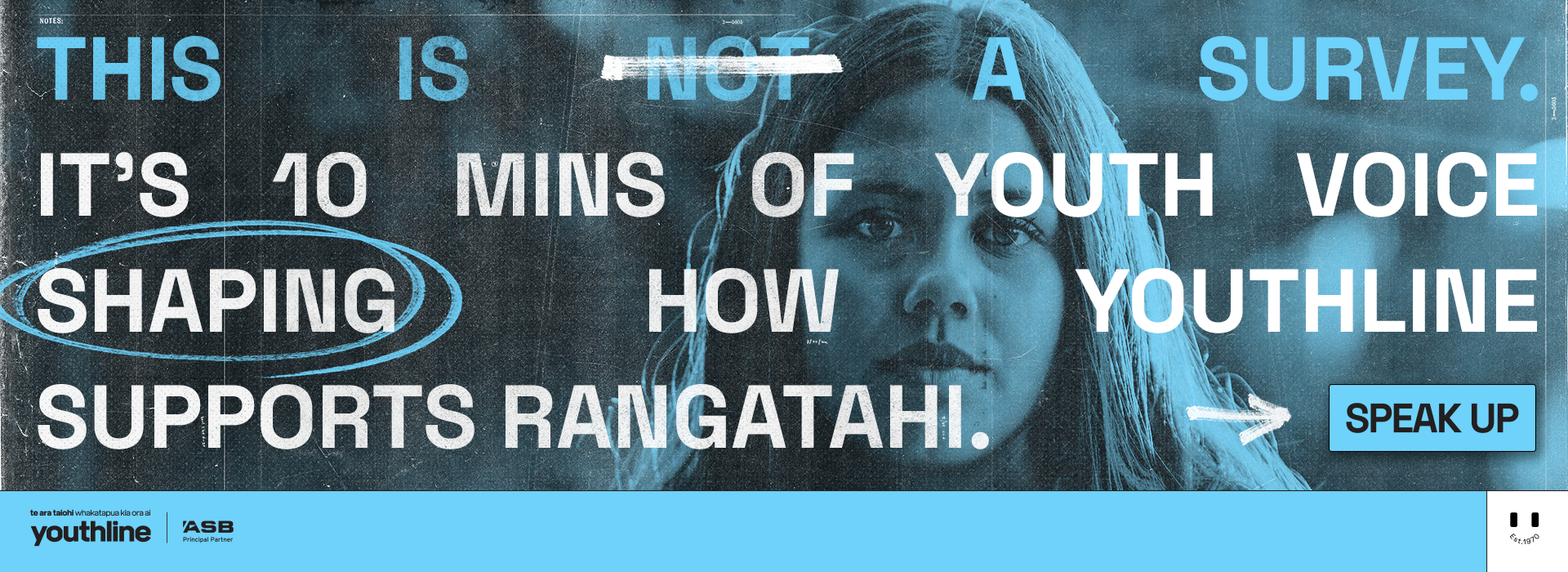
Rather than treat State of the Generation as another piece of research, I led the campaign as a national invitation for rangatahi to speak for themselves. Openly, honestly and at scale. The creative act was partly one of stepping back.
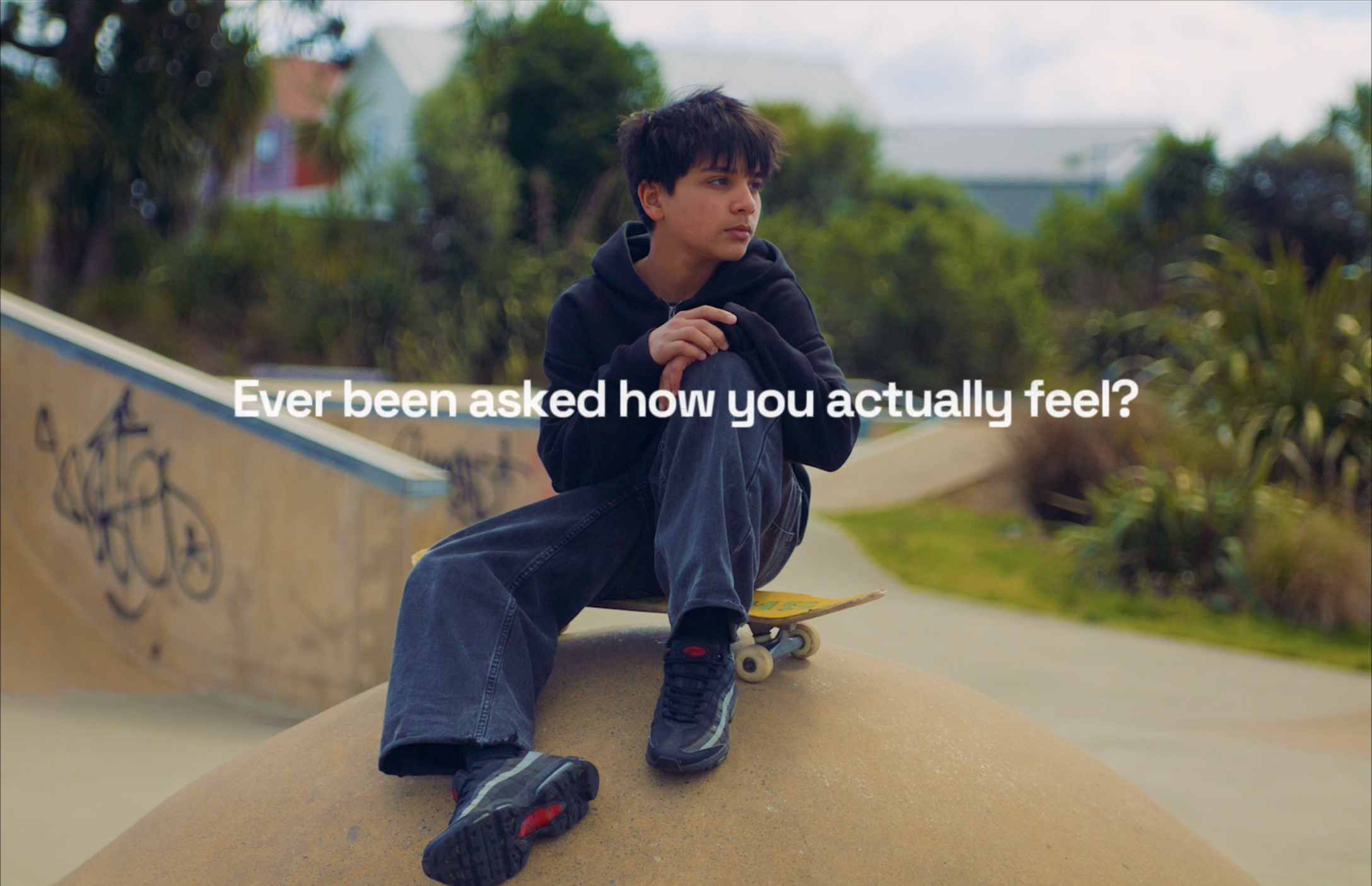
no performance.
no polished campaign speak.
just space to speak.
The way you ask tells people something about how you’re likely to listen.
The campaign was developed in close consultation with young people themselves, alongside Youthline’s executive team and counsellors. Their thoughts and feedback shaped the work at multiple stages - helping us understand what felt authentic, what created distance and what would make participation feel more direct and respectful.
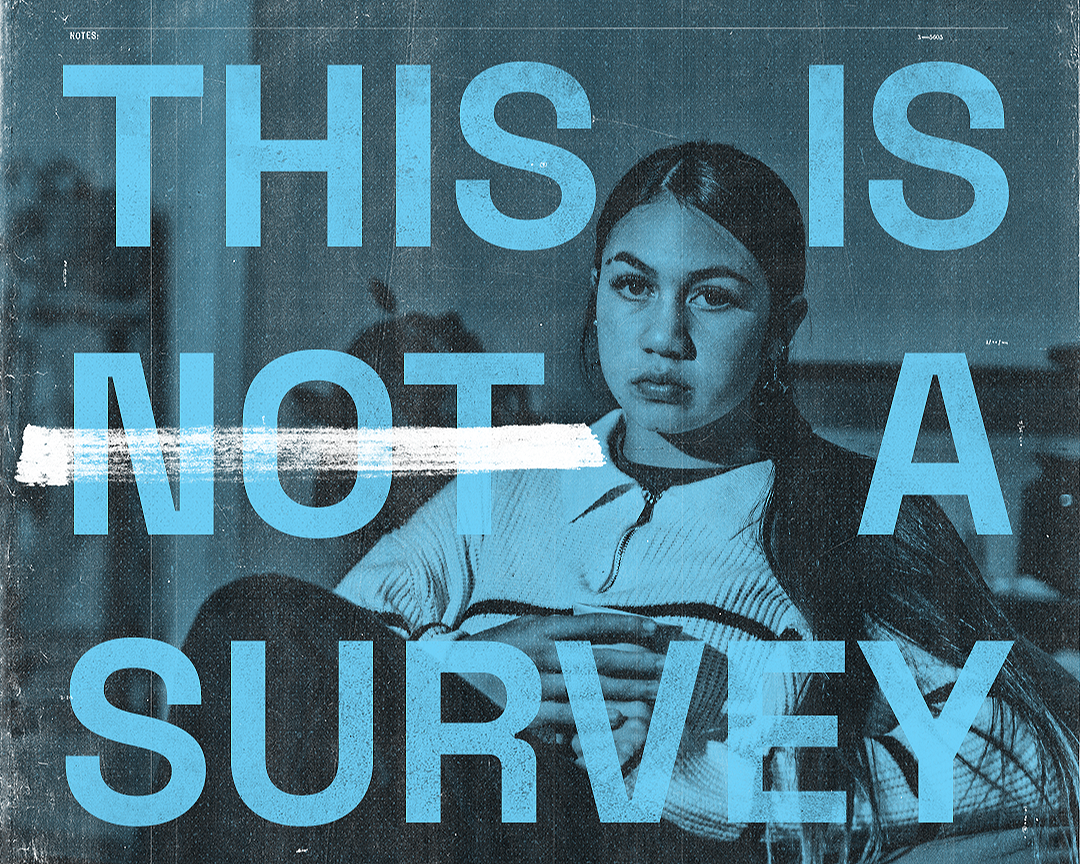
The challenge was to create something safe enough to invite honesty, while simple enough to remove friction from participation. “This is not a survey. This is your voice. Speak up.”
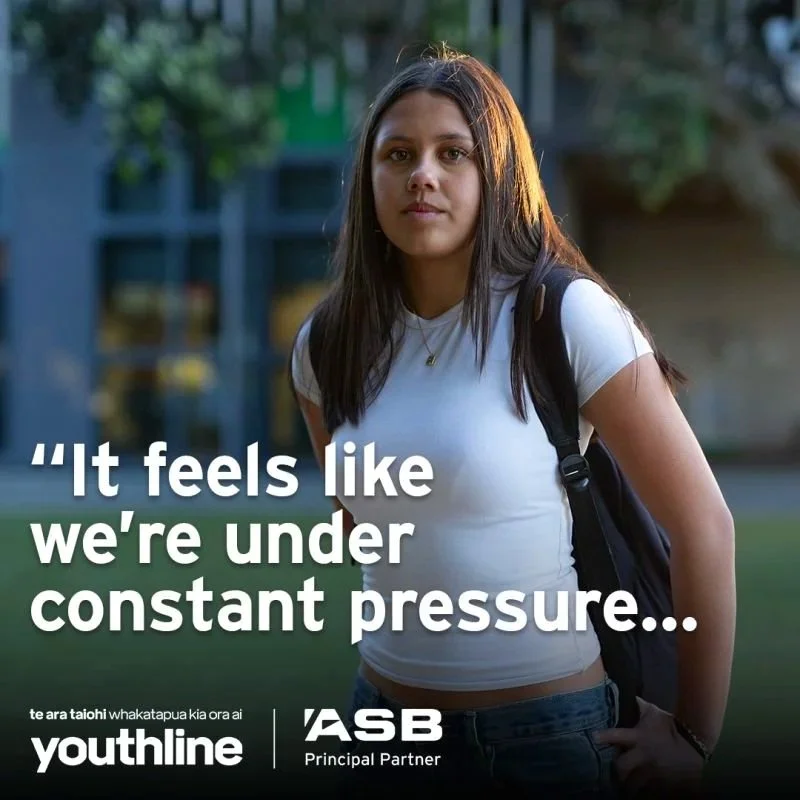
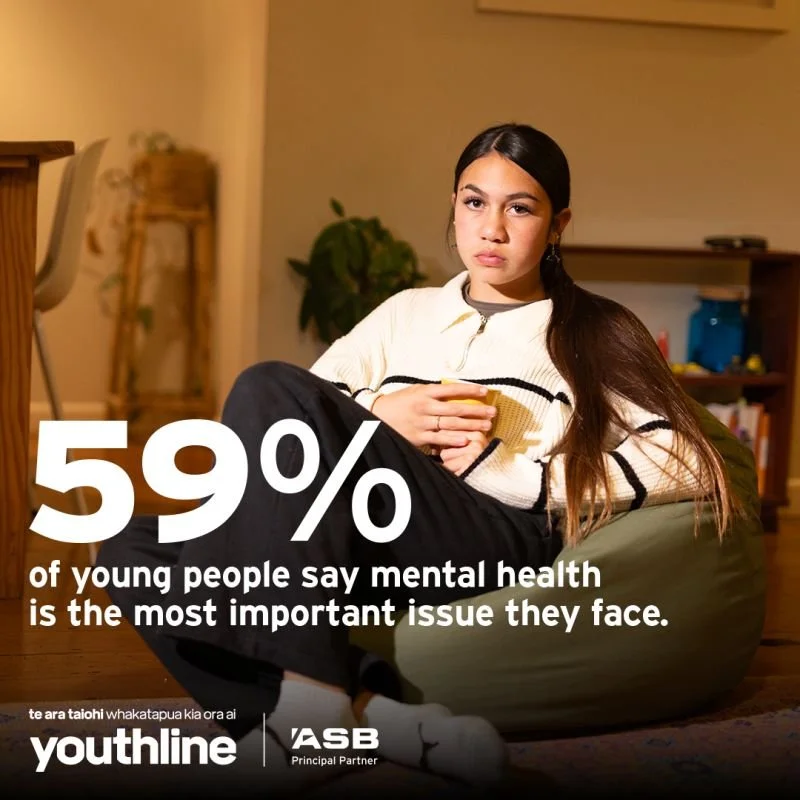
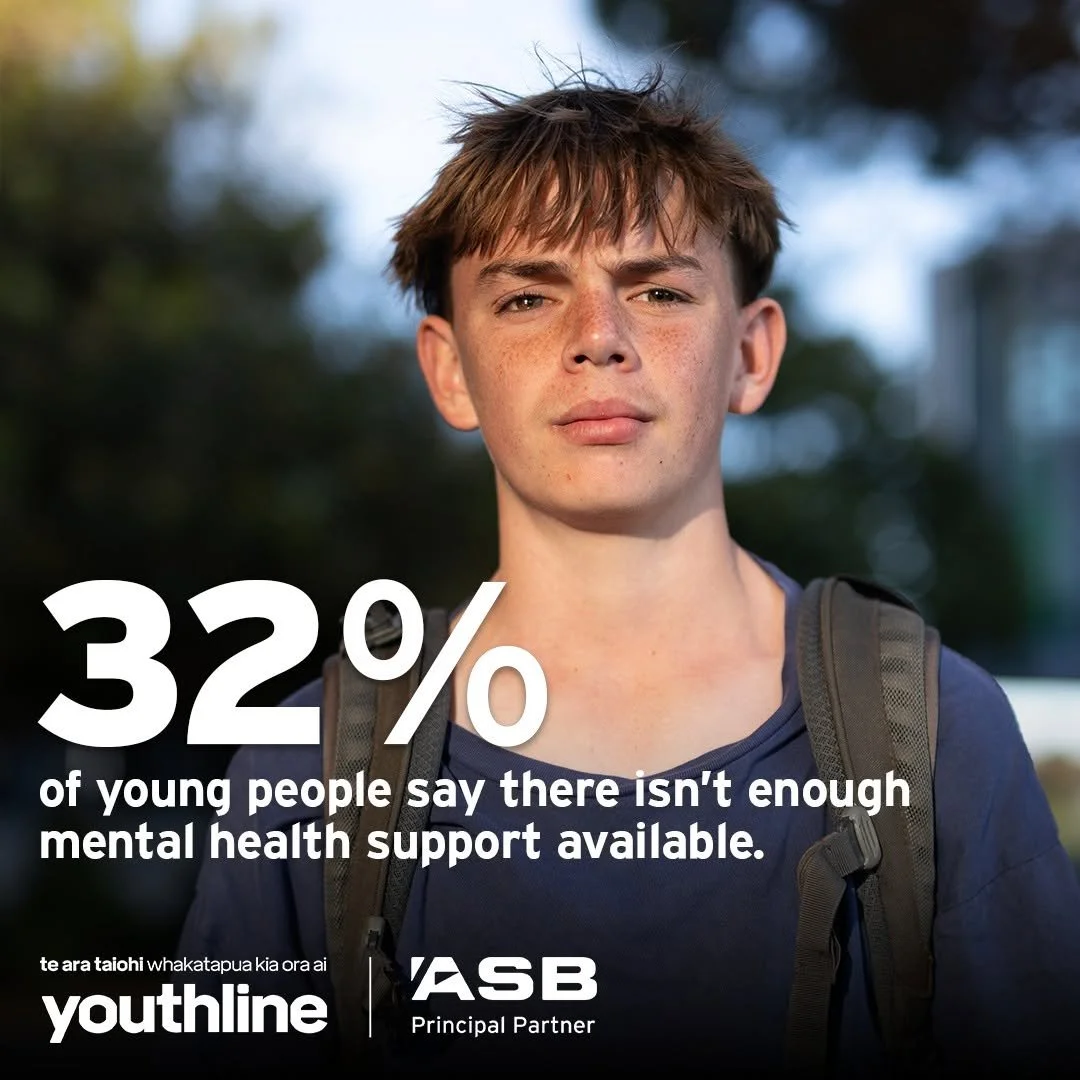
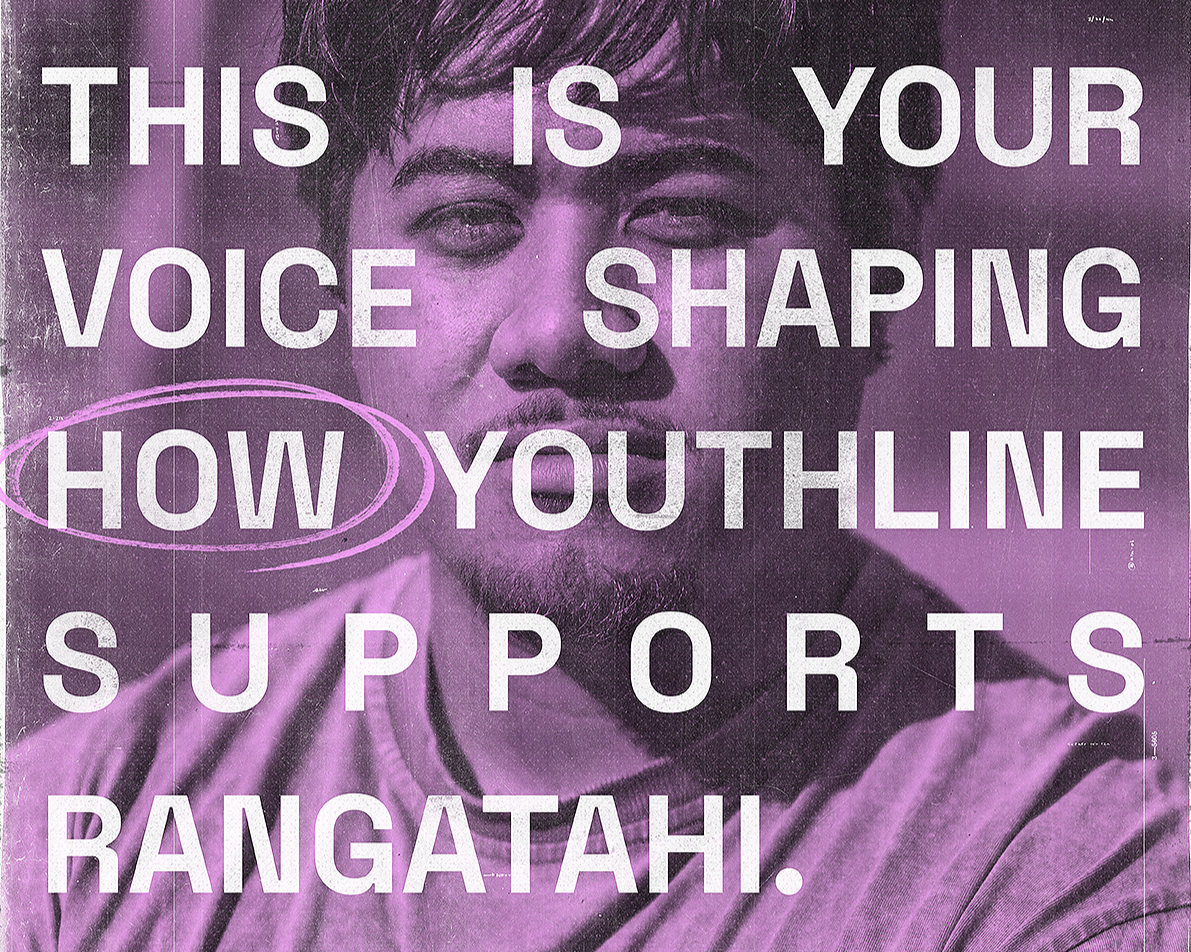
Language became human. Real rangatahi and lived experience became the campaign. Trust and anonymity were fundamental. Every part of the experience - language, design, access and campaign expression - was designed to feel direct, respectful and low-pressure.
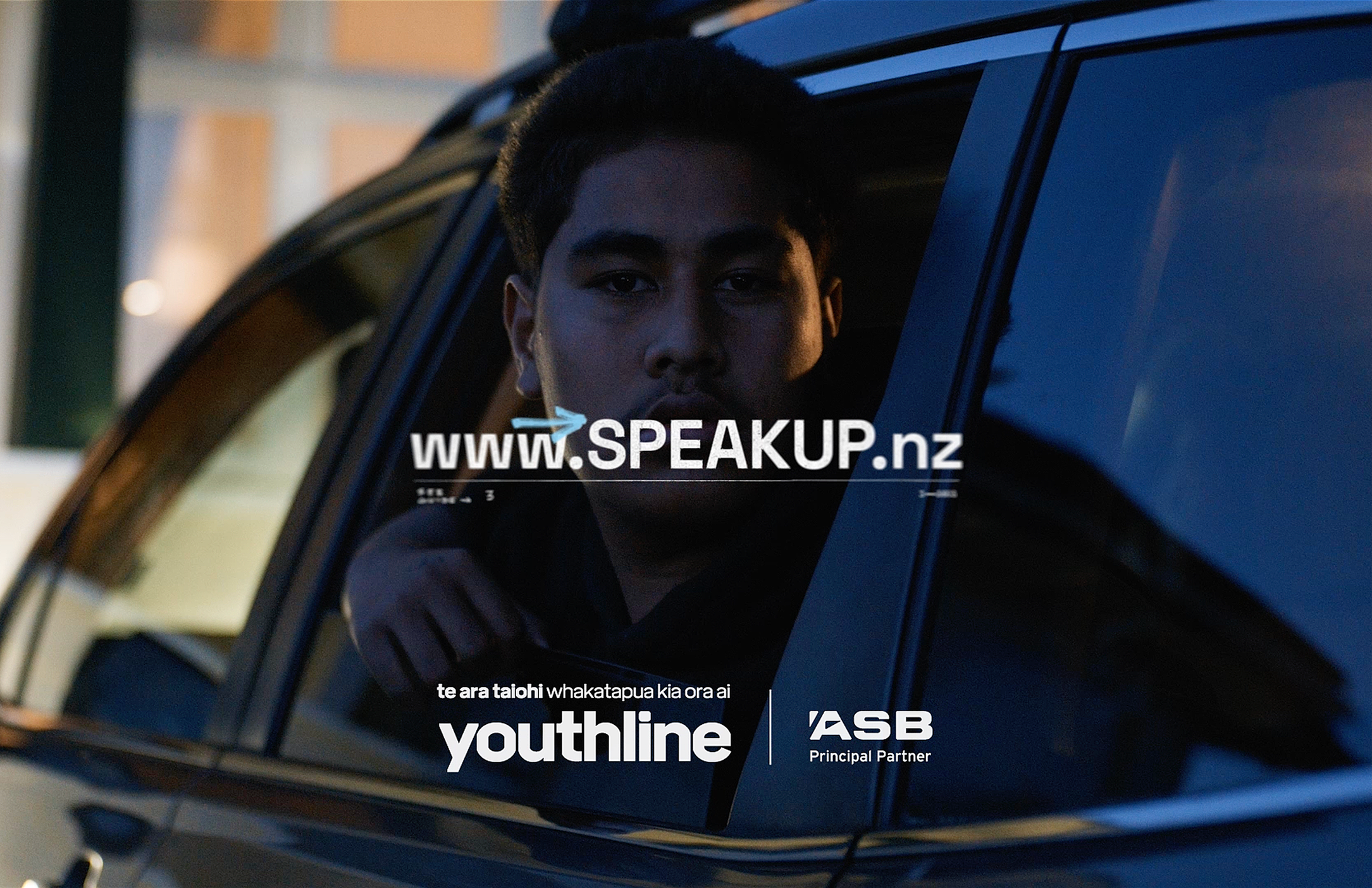
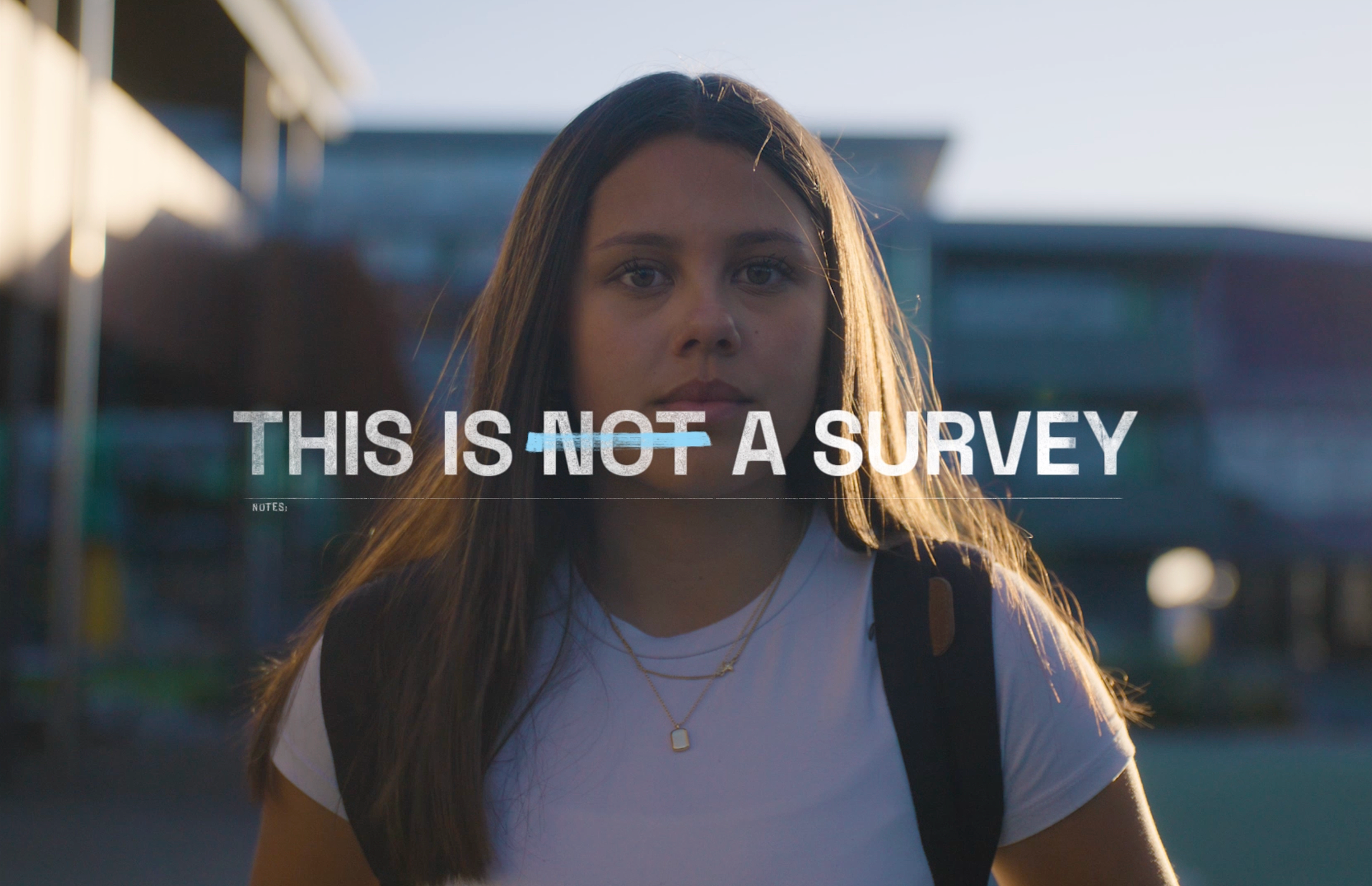
Participation became more than a way of gathering research. It became a way for Youthline to understand young people on their terms - and use that understanding to shape better support.
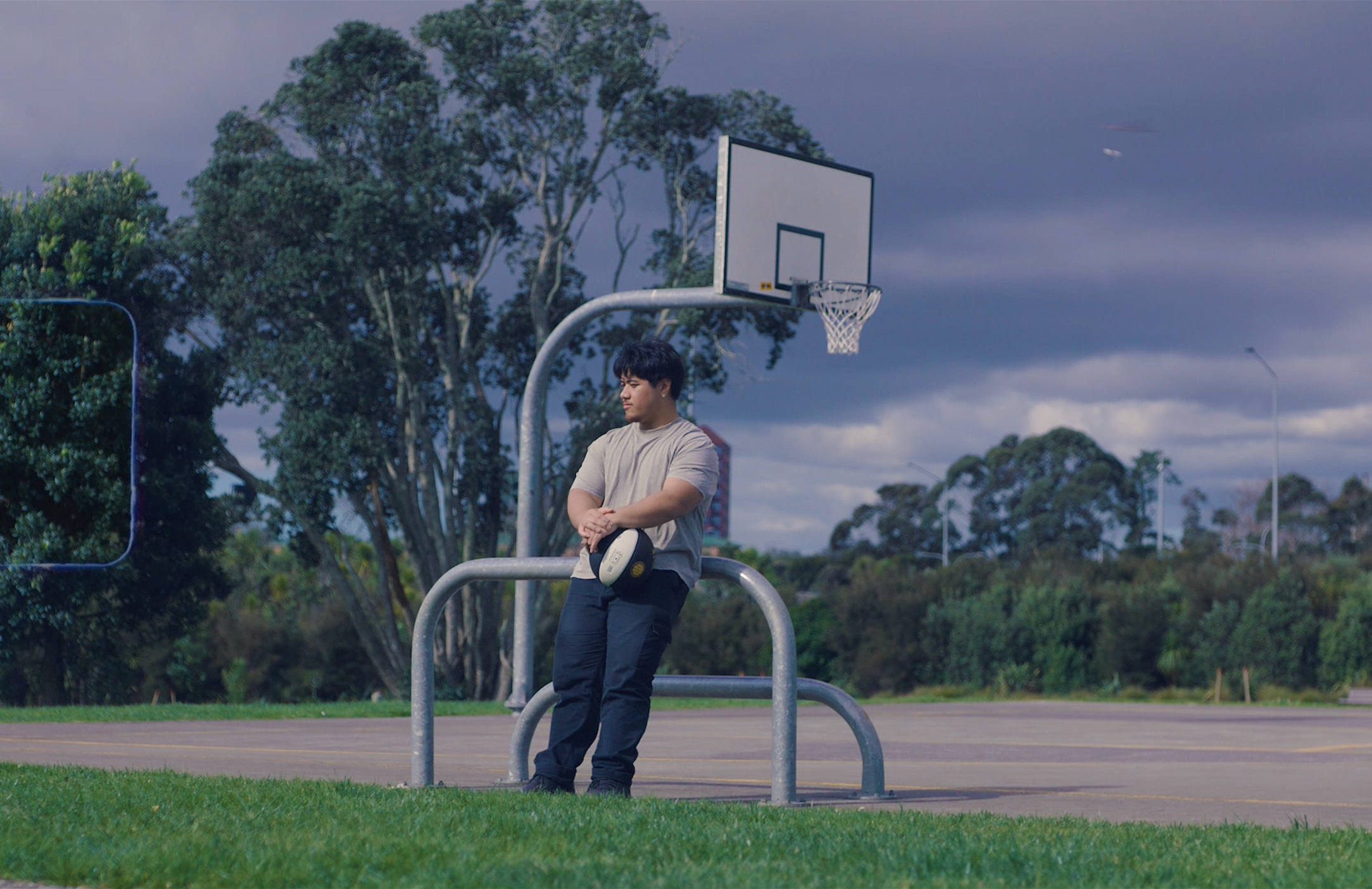
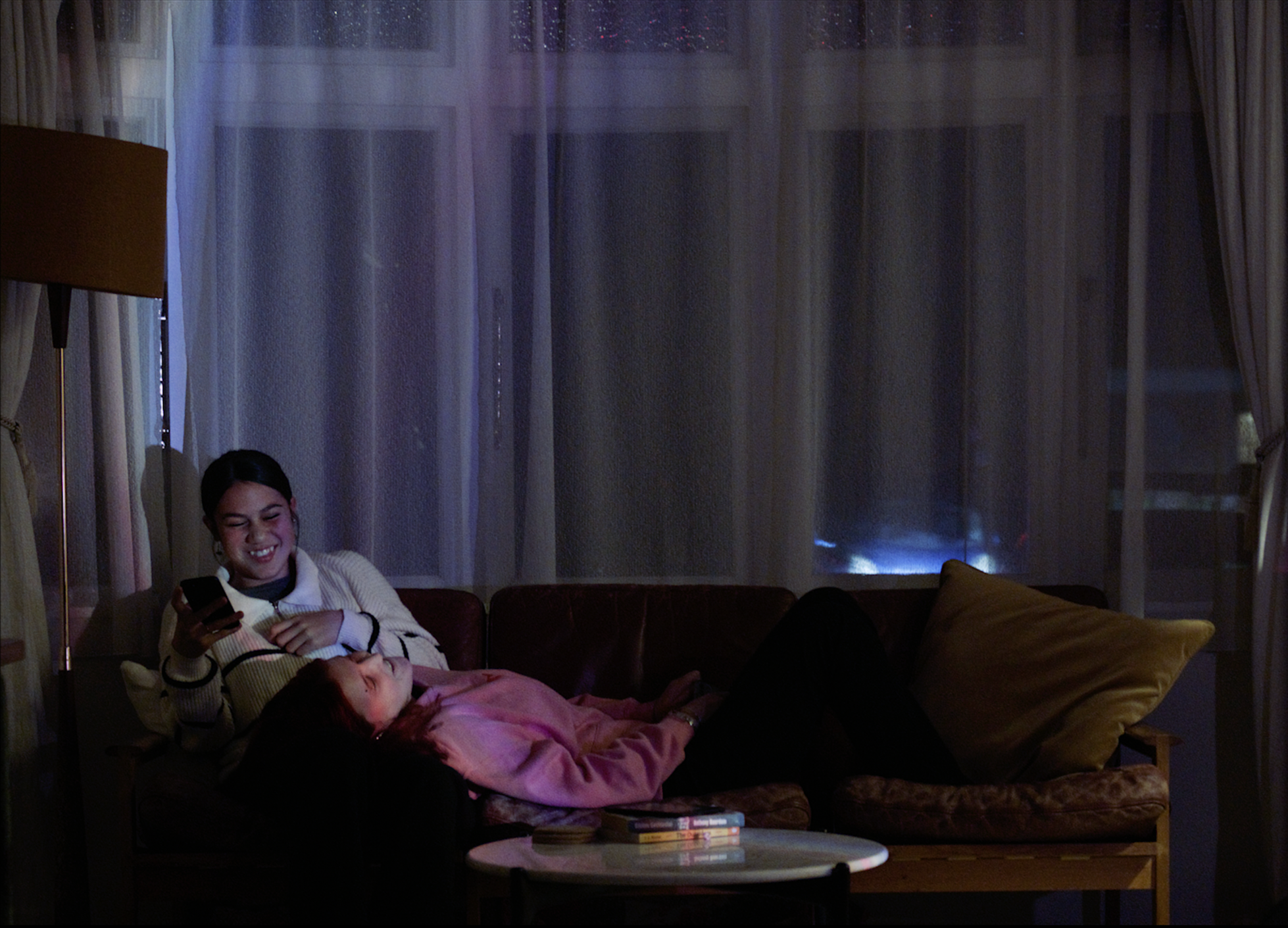
I created the campaign’s creative expression and all major executions, working with celebrated Kiwi director Chris Graham on the film shoots, and overseeing all the deliverables across pre-production, production and post-production.
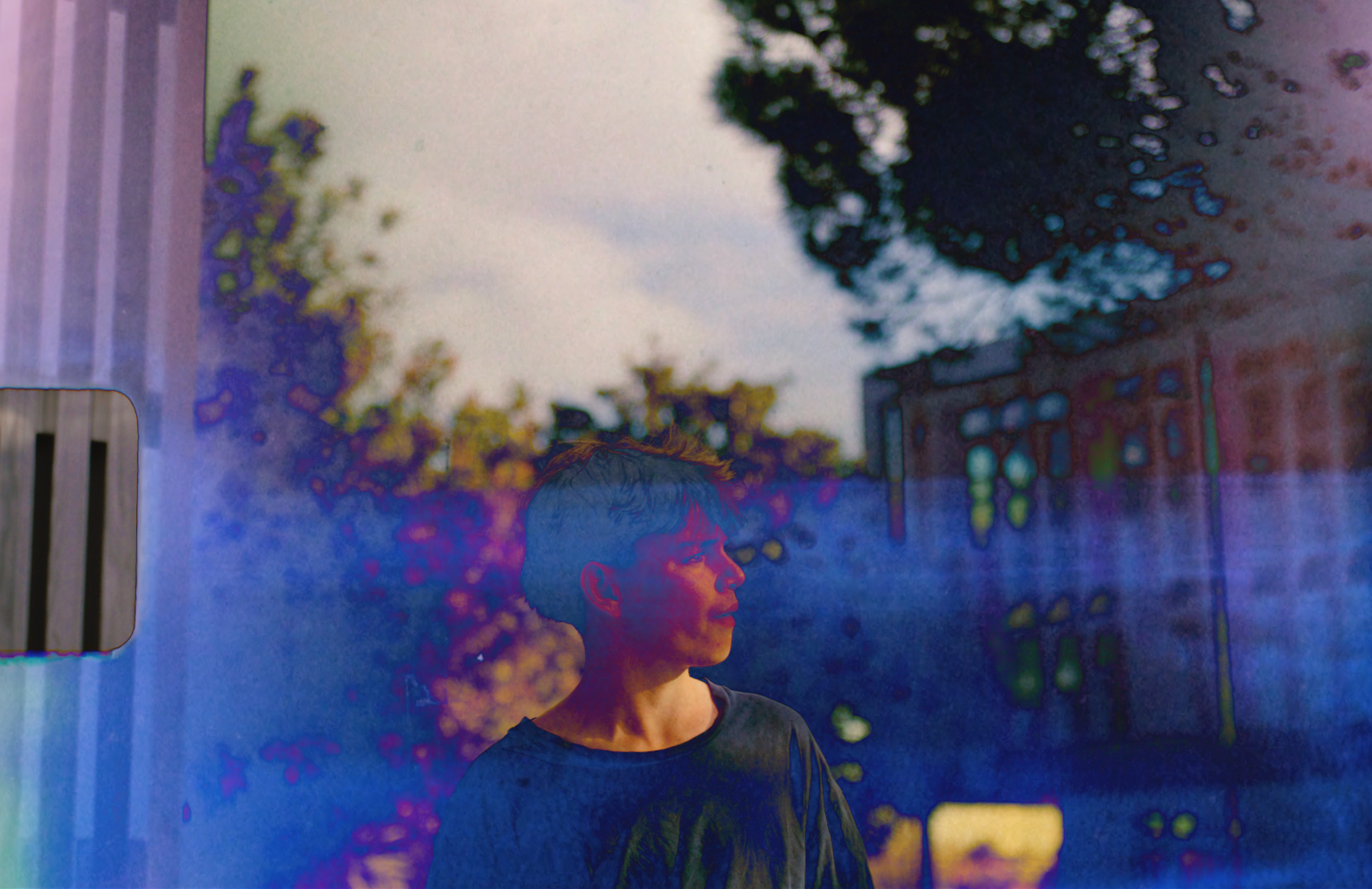
Listening only means something if people can still recognise themselves in what’s been heard.
Thousands of young people aged 12–24 across Aotearoa took part, giving Youthline a richer picture of what really matters to young people and where support needs to evolve.
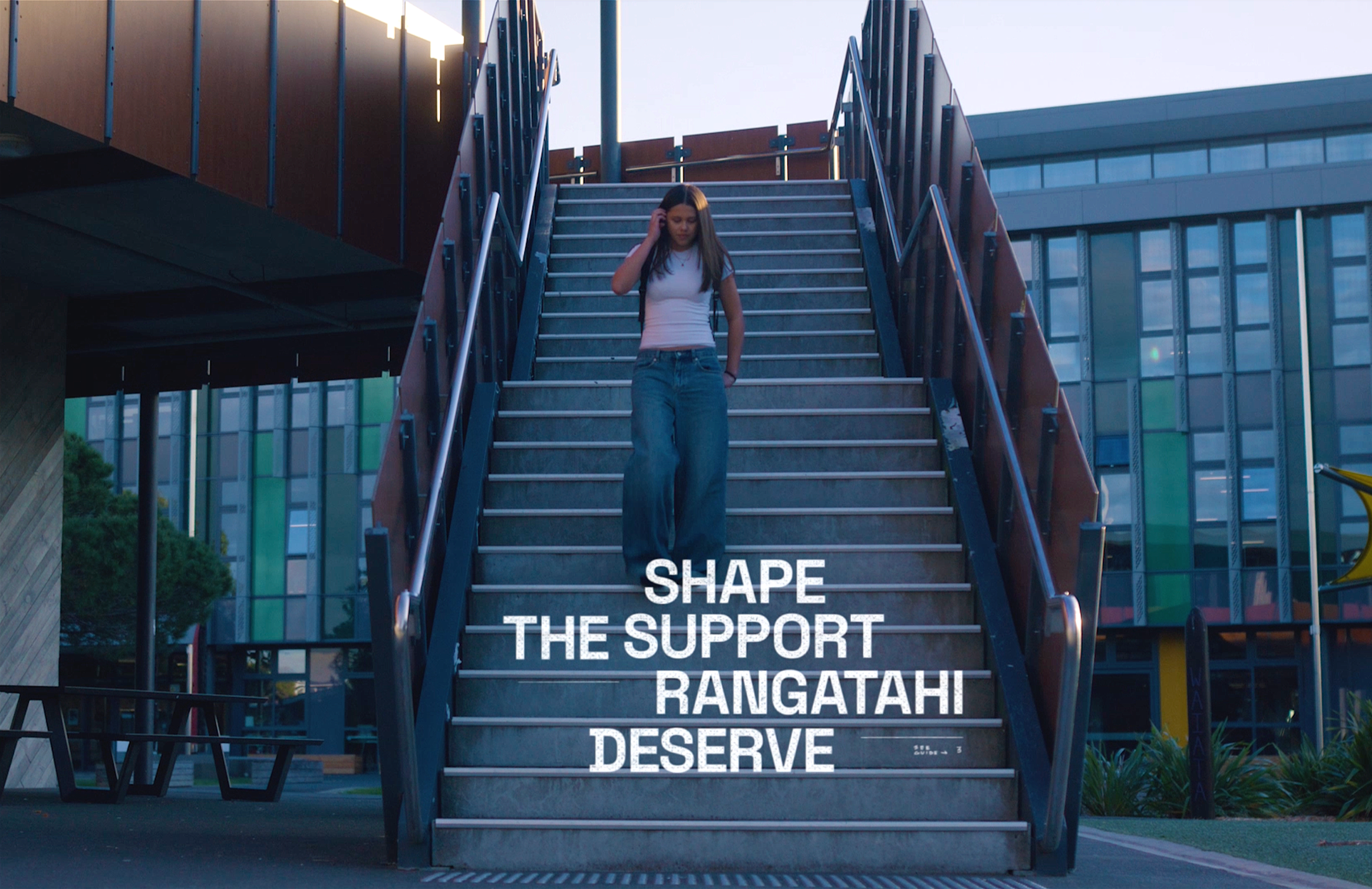
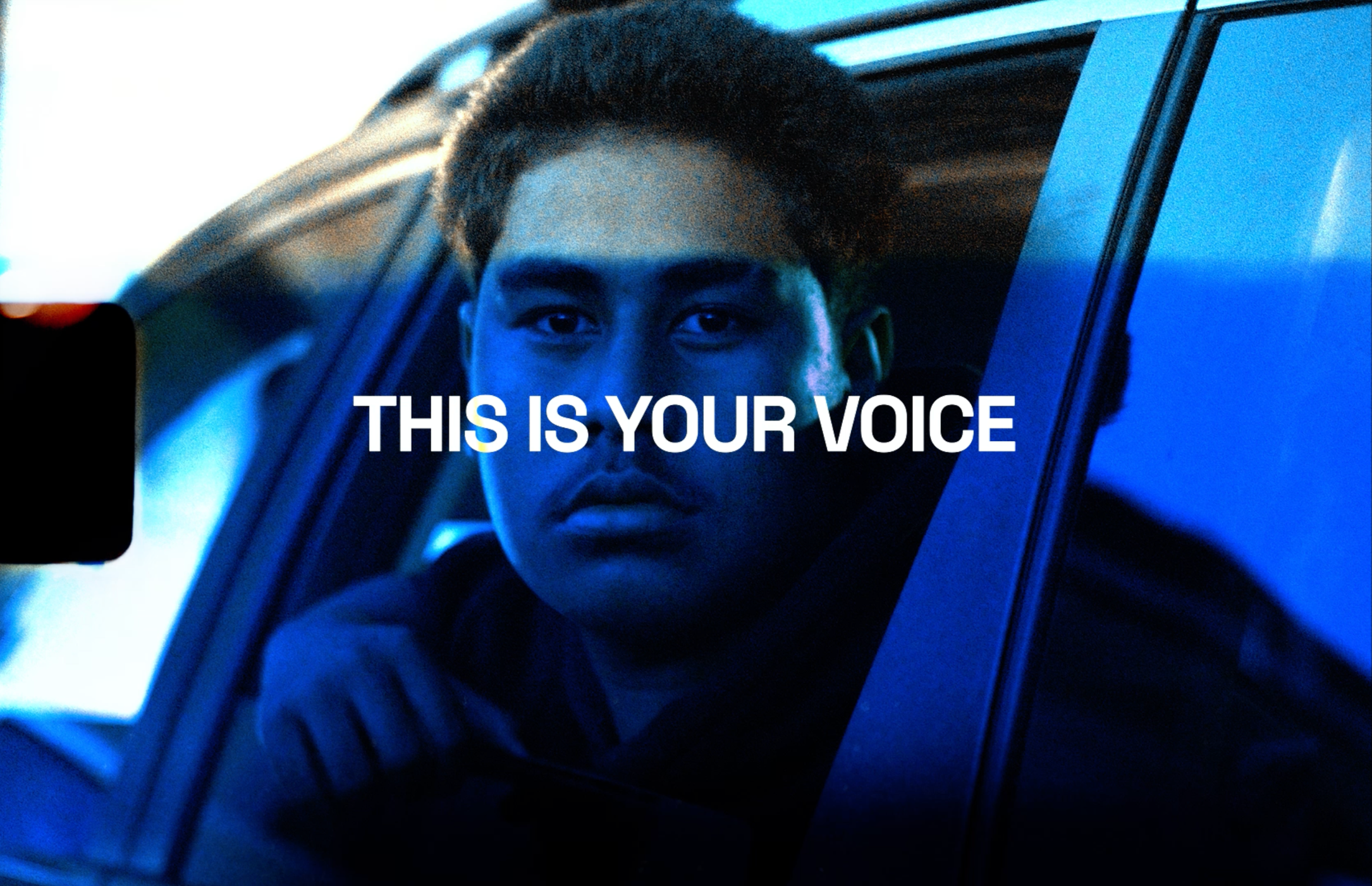
Then we turned the launch itself into a statement. I conceived a public reveal of the findings where anonymous words from young people were projected across the walls.
The event took their thoughts, fears, hopes and experiences out of the report and made them impossible to ignore.
Their names stayed private. Their voices became the story.
The result was more than research. It gave Youthline a new way to listen, understand and respond - turning the voices of young people into something the organisation, and the public, could not simply look past.